
Mesa · Dental Care
Medications and Your Teeth: A Mesa Patient’s Guide
At any comprehensive dental exam in Mesa, one of the first questions we ask is "what medications are you currently taking?" For most patients this is routine screening, but for patients on multiple daily…
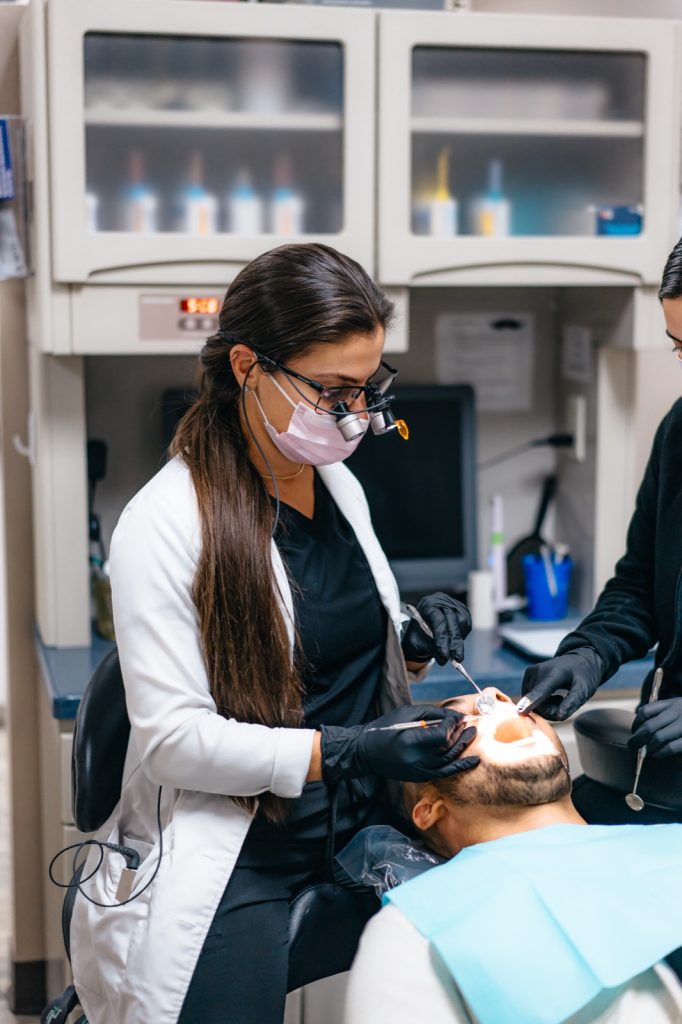
At any comprehensive dental exam in Mesa, one of the first questions we ask is “what medications are you currently taking?” For most patients this is routine screening, but for patients on multiple daily medications, particularly common in Mesa’s older demographic, it’s often the key to understanding accelerated decay, dry mouth symptoms, or gum changes. Here’s the short list of medications that affect your teeth and what to do about them.
The most common culprit: dry mouth (xerostomia)
Over 400 medications list dry mouth as a side effect. In Mesa’s adult population, patients routinely take 3-5 of them simultaneously without connecting the dots to their escalating dental problems. The major classes:
1. Antihistamines
Diphenhydramine (Benadryl), loratadine (Claritin), cetirizine (Zyrtec), fexofenadine (Allegra). Mesa’s high allergen load (mesquite, palo verde, dust) drives heavy antihistamine use. Chronic daily antihistamine use substantially reduces saliva flow over months.
Alternatives: nasal sprays (fluticasone, budesonide) act locally without systemic dry mouth. Worth discussing with your physician if you’re on year-round antihistamines.
2. Antihypertensives (blood pressure medications)
Diuretics (hydrochlorothiazide, furosemide), beta-blockers (metoprolol, atenolol), ACE inhibitors (lisinopril), calcium channel blockers (amlodipine, diltiazem). Almost all blood pressure medications reduce saliva flow to some degree.
Specific concern with calcium channel blockers: some (nifedipine especially) cause gum tissue overgrowth that complicates home care. If you’re on calcium channel blockers and have thick overgrown gums, mention it.
These medications are essential, we don’t recommend stopping. We recommend adaptive dental care (more frequent cleanings, prescription fluoride toothpaste, xylitol, aggressive hydration).
3. Antidepressants
SSRIs (sertraline, fluoxetine, escitalopram, paroxetine), SNRIs (venlafaxine, duloxetine), tricyclics (amitriptyline, nortriptyline). Tricyclics cause the most dry mouth; SSRIs cause moderate reduction. Many patients on antidepressants also have bruxism from anxiety, doubling the dental risk.
4. Opioid pain medications
Chronic use causes dry mouth, increased sugar cravings (particularly common with long-term opioid therapy), and sometimes neglected oral hygiene during dependency. Patients on methadone or buprenorphine for medication-assisted treatment often have elevated decay rates. Special attention and preventive fluoride protocols help substantially.
5. Antipsychotics
Risperidone, olanzapine, quetiapine, aripiprazole. Substantial dry mouth from most. Tardive dyskinesia from older antipsychotics can affect oral function.
6. Bladder control medications
Oxybutynin, tolterodine, mirabegron. Strong anticholinergic effects including marked dry mouth. Common in older adults with urinary urgency.
7. Chemotherapy agents
Varies by agent but many cause dry mouth, mouth sores, or direct salivary gland damage. Coordination between oncologist and dentist essential during treatment.
8. Parkinson’s medications
Dopaminergic medications cause dry mouth; anticholinergics for tremor cause substantially more.
What dry mouth does to teeth
Saliva does more than most patients realize:
- Neutralizes acid from food and drinks (20-30 minute buffering window after eating)
- Delivers calcium and phosphate that remineralize enamel
- Washes away food debris and bacteria
- Contains antimicrobial proteins (lysozyme, lactoferrin, immunoglobulins)
- Lubricates food for comfortable swallowing
Reduced saliva means reduced protection. Decay rates in chronic dry mouth patients are 2-4x higher than in normal-saliva patients. Gum disease progresses faster. Thrush and other oral infections occur more frequently. Denture fit is compromised.
Specific decay pattern in dry mouth patients: cavities at the gum line and on root surfaces, often on multiple teeth at once. Completely different from the single-cavity patterns younger patients with normal saliva flow experience.
Medications causing gum overgrowth (drug-induced gingival hyperplasia)
Three medication classes cause visible gum tissue overgrowth:
- Phenytoin (Dilantin), seizure medication. Overgrowth occurs in 40-50% of patients using long-term.
- Cyclosporine, immunosuppressant used for transplant patients and some autoimmune conditions. 30-50% develop overgrowth.
- Calcium channel blockers, blood pressure medications, particularly nifedipine. 20-40% develop overgrowth with long-term use.
Management: excellent home care and professional cleanings at 3-month intervals substantially reduce overgrowth severity. Surgical removal of excess tissue (gingivectomy) is an option for severe cases. If alternative medications are available, sometimes switching prevents progression.
Bisphosphonates and dental work
Osteoporosis and cancer treatment medications in the bisphosphonate family (alendronate/Fosamax, risedronate/Actonel, ibandronate/Boniva, zoledronic acid/Reclast), and the related denosumab, affect bone healing after dental extractions and implant surgery.
Oral bisphosphonates for osteoporosis: relatively low risk. Dental work proceeds largely as normal with awareness and coordination.
IV bisphosphonates for cancer: substantially higher risk of medication-related osteonecrosis of the jaw (MRONJ) after extractions. Elective extractions and implants are generally avoided during active IV treatment and for a period afterward.
Tell us if you’re on any bisphosphonate, current or recent. Treatment planning changes.
Blood thinners and dental procedures
Warfarin, apixaban (Eliquis), rivaroxaban (Xarelto), clopidogrel (Plavix), aspirin regimens. For most dental procedures we don’t stop blood thinners, the clotting risk from stopping (stroke, heart attack, DVT) is often higher than the bleeding risk from continuing.
For surgical procedures (extractions, periodontal surgery, implant placement) we coordinate with your physician if adjustment is clinically warranted. Most often we proceed with blood thinners continued, using local measures to control bleeding (sutures, pressure, hemostatic agents).
Tell us if you’ve taken a blood thinner within the past week, especially before any procedure that could cause bleeding.
Diabetes medications
See our post Gum Disease in Diabetics: Why Mesa’s Older Population is Higher Risk for the full picture. Brief version: control of blood sugar matters more for dental outcomes than which specific diabetes medication you’re on. A1C under 7 produces dramatically better dental outcomes than A1C over 8 regardless of whether you’re on metformin, SGLT2 inhibitors, GLP-1 agonists, insulin, or combination therapy.
What to do if you’re on one of these medications
Don’t stop taking your medications, they’re treating real medical conditions. But do adjust your dental care:
- Tell your dentist about all medications. Complete list including over-the-counter medications, supplements, and recent changes.
- Increase cleaning frequency. 3-4 month intervals rather than 6 months for patients with significant dry mouth or multiple medications affecting oral health.
- Use prescription fluoride toothpaste. 5000 ppm prescription-strength fluoride (Prevident 5000, Clinpro 5000) delivers 5-10x the fluoride of OTC toothpaste. Used nightly, substantially reduces decay in dry mouth patients. Available with dentist prescription.
- Use xylitol products. Gum or lozenges 3-5 times daily. Stimulates saliva flow; actively inhibits decay bacteria.
- Biotene and similar dry mouth products. Rinses, sprays, and gels designed for dry mouth. OTC at most pharmacies.
- Aggressive hydration. Water, not flavored water. Real hydration, not just sipping.
- Discuss alternatives with your physician. If a medication is causing significant dental problems, alternative medications sometimes exist. Not always, but worth discussing.
- Consider humidifier use. 40-50% bedroom humidity overnight helps dry mouth during sleep (when saliva flow is lowest).
Medication review as part of the dental visit
At Glisten Dental Mesa we review medications at every comprehensive exam and before any significant procedure. Changes in your medication list should be mentioned, new medications, dose changes, discontinued medications. This isn’t paperwork; it changes how we approach your care and sometimes identifies problems we can help address.
Call 602-932-2555 to schedule. If you take multiple daily medications and have noticed increased decay, gum issues, or dry mouth, book a comprehensive exam, a medication-aware dental evaluation is substantially more useful than a standard cleaning for patients in this situation.